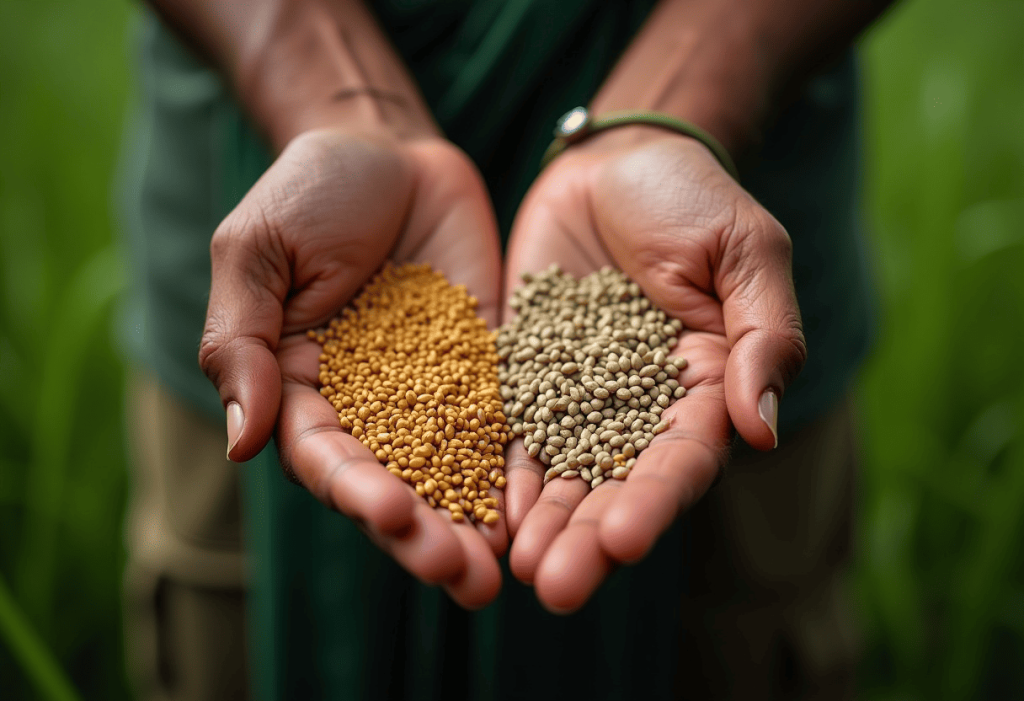
As agriculture evolves, one of the biggest decisions a farmer makes today is choosing between hybrid seeds and traditional (open-pollinated) seeds. Understanding their core differences can directly impact crop yield, input costs, and profitability.
What Are Hybrid Seeds?
Hybrid seeds are developed by cross-pollinating two parent plants to create a new variety that carries the best traits of both — such as disease resistance, faster growth, and higher yield.
Benefits of Hybrid Seeds:
-
Higher Yield (up to 30–50% more)
-
Uniform growth and better quality
-
Resistance to specific pests/diseases
-
Climate adaptability (drought/salinity resistance)
Why Some Still Prefer Traditional Seeds
-
They can save seeds for the next season
-
Better for low-input farming
-
Resilient in certain indigenous environments
What CropZenith Recommends
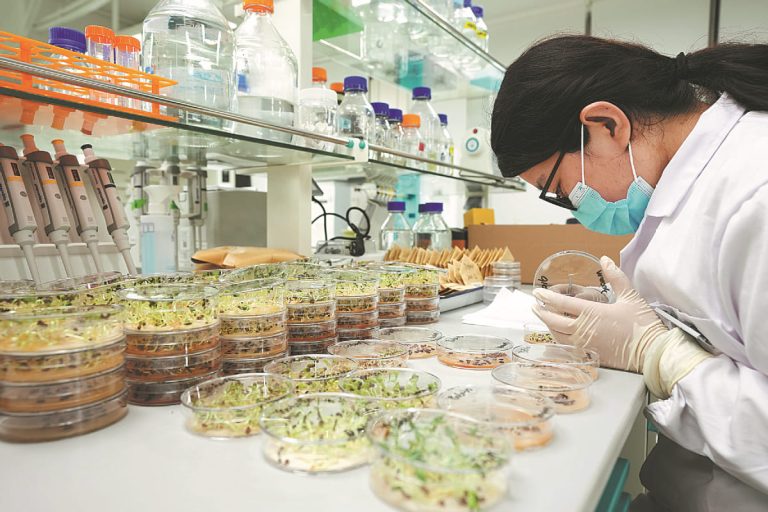
We recommend region-specific hybrid seeds for farmers seeking higher yield with minimal risks. Our research-based seeds are GMO-free and adapted to real local conditions.
Final Thoughts
Choose based on your soil, budget, and long-term goals. Not all hybrids are expensive—and not all traditional seeds are low-risk.